The Homeowner's Seasonal HVAC Maintenance Checklist: What to Do Each Season
The Homeowner's Seasonal HVAC Maintenance Checklist: What to Do Each Season
Your home's HVAC (Heating, Ventilation, and Air Conditioning) system works tirelessly year-round to keep your family comfortable. Much like your car needs regular oil changes and tune-ups, your HVAC system requires consistent maintenance to perform efficiently, prevent breakdowns, and extend its lifespan. Proper seasonal maintenance can save you thousands in emergency repairs and premature replacement costs.
This comprehensive seasonal HVAC maintenance checklist provides homeowners with practical, actionable tasks to perform throughout the year. By following these recommendations, you'll improve your system's efficiency, enhance indoor air quality, and potentially lower your energy bills by up to 15%.
Pro Tip: While this guide covers many DIY maintenance tasks, remember that professional maintenance is still essential. Most HVAC manufacturers require professional servicing to maintain warranty coverage. Find a qualified HVAC technician near you for comprehensive seasonal tune-ups and to address any concerns that arise between maintenance visits.
Key Benefits of Seasonal HVAC Maintenance
Before diving into specific seasonal tasks, it's important to understand why regular maintenance matters. Properly maintaining your HVAC system:
| Benefit | Impact |
|---|---|
| Extends System Lifespan | Regular maintenance can add 5-10 years to your system's operational life |
| Improves Energy Efficiency | Can reduce energy consumption by 5-15%, lowering utility bills |
| Enhances Indoor Air Quality | Removes allergens, dust, and pollutants that can affect respiratory health |
| Prevents Costly Breakdowns | Identifies and addresses minor issues before they become major repairs |
| Maintains Warranty Coverage | Most manufacturers require regular professional maintenance to keep warranties valid |
| Ensures Consistent Comfort | Properly maintained systems provide more reliable temperature and humidity control |
With these benefits in mind, let's explore the specific maintenance tasks you should perform during each season.
Spring HVAC Maintenance Checklist (March-May)
Spring is the ideal time to prepare your cooling system for the summer heat while ensuring your heating system is properly shut down after winter. Focus on transitioning your system and preparing for increased cooling demands.
DIY Spring Maintenance Tasks:
- Replace air filters - Install fresh filters to capture spring pollen and improve efficiency
- Clean supply and return vents - Remove dust accumulation and ensure unobstructed airflow
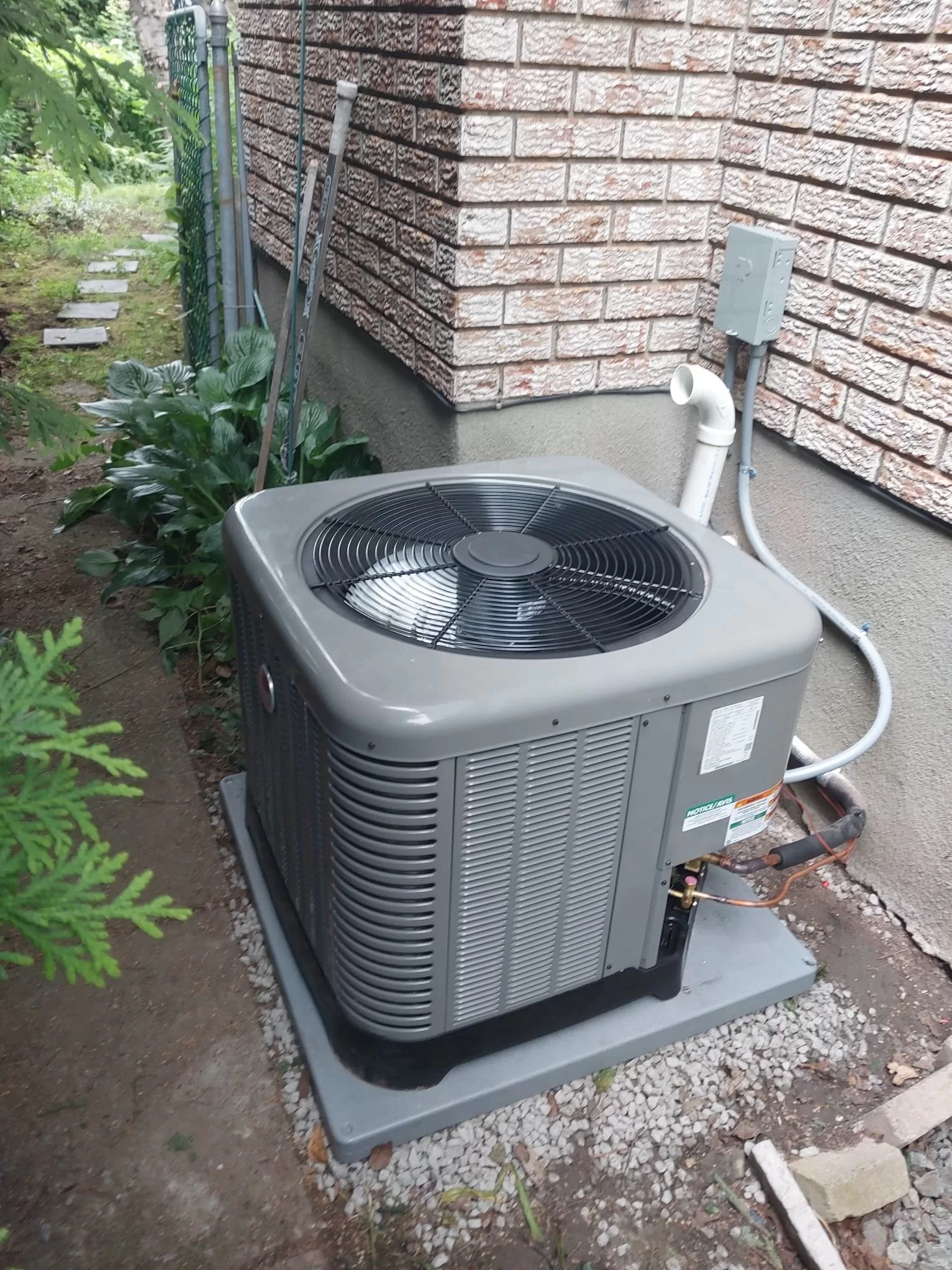
- Inspect and clean outdoor unit - Remove debris, leaves, and winter accumulation from around your AC condenser
- Check and clean condensate drain line - Prevent clogs by flushing with vinegar or bleach solution
- Test your AC system - Run your air conditioner before hot weather arrives to ensure proper operation
- Clean ceiling fans - Change rotation direction to counterclockwise for summer cooling
- Inspect ductwork - Look for visible leaks, disconnections, or damage
- Check thermostat operation - Ensure accurate temperature readings and program summer settings
Professional Spring HVAC Services:
- Air conditioner tune-up - Complete inspection and servicing of cooling components
- Refrigerant level check - Ensure proper refrigerant charge for optimal cooling
- Electrical connection inspection - Check for loose connections and component wear
- Coil cleaning - Professional cleaning of evaporator and condenser coils
- Blower motor assessment - Lubrication and performance check
- Duct inspection and sealing - Identify and repair leaks to improve efficiency
Spring is the perfect time for a professional cooling system tune-up before summer demand increases. Scheduling early ensures your system is ready when temperatures rise and helps you avoid the rush during the first heat wave.
Schedule Your Spring HVAC Tune-UpSummer HVAC Maintenance Checklist (June-August)
During peak cooling season, your air conditioning system works its hardest. Summer maintenance focuses on monitoring system performance, ensuring efficiency, and preventing breakdowns during critical cooling periods.
DIY Summer Maintenance Tasks:
- Replace air filters monthly - More frequent replacement needed during heavy use periods
- Clean outdoor unit area weekly - Remove grass clippings, leaves, and debris that can restrict airflow
- Monitor energy usage - Track cooling costs for unexpected increases that may indicate problems
- Check condensate drain line - Ensure proper drainage and clean as needed to prevent clogs
- Inspect weatherstripping and seals - Check doors and windows for air leaks that make your AC work harder
- Clean supply registers and return grilles - Vacuum dust accumulation to maintain proper airflow
- Monitor system performance - Note any unusual noises, odors, or cooling issues
- Optimize thermostat settings - Use programmed setbacks when away to reduce energy consumption
Summer Energy-Saving Tip: Set your thermostat to 78°F (26°C) when home and 82°F (28°C) when away. Each degree below 78°F increases energy consumption by approximately 3-4%. Using ceiling fans can make higher temperatures feel 4°F cooler, allowing you to raise the thermostat without sacrificing comfort.
Professional Summer HVAC Services:
- Mid-season system check - Ensure optimal performance during peak demand
- Efficiency testing - Measure system performance against manufacturer specifications
- Condensate system inspection - Check drain pan, pump, and lines for proper operation
- Refrigerant leak detection - Identify and repair refrigerant leaks affecting performance
If your system shows any signs of struggle during summer heat, don't wait for a complete breakdown. Contact a professional immediately to address issues while they're still minor and potentially avoid emergency service calls during heat waves.
Fall HVAC Maintenance Checklist (September-November)
Fall is the critical time to prepare your heating system for winter operation while properly shutting down your cooling system. This transitional maintenance ensures you'll have reliable heat when temperatures drop.
DIY Fall Maintenance Tasks:
- Replace air filters - Install fresh filters before heating season begins
- Clean and cover outdoor AC unit - After final use, clean and protect the condenser (but never completely seal with plastic)
- Test heating system - Run your furnace or heat pump before cold weather arrives
- Check carbon monoxide and smoke detectors - Replace batteries and test operation
- Inspect heating vents and registers - Ensure they're open and unobstructed
- Reverse ceiling fans - Change rotation to clockwise to circulate warm air
- Clean humidifier components - Replace pads/filters and clean reservoir if you have a whole-home humidifier
- Check for unusual odors - Address that initial "burning dust" smell that may occur when first activating heat
Professional Fall HVAC Services:
- Heating system tune-up - Comprehensive inspection and servicing of heating components
- Heat exchanger inspection - Check for dangerous cracks or damage
- Burner cleaning and adjustment - Ensure proper combustion and efficiency
- Flue and chimney inspection - Verify proper venting of combustion gases
- Blower motor service - Clean, lubricate, and check operation
- Safety control testing - Verify proper operation of all safety switches and controls
Fall heating system maintenance is crucial for safety and reliability. Professional technicians can identify potential carbon monoxide risks, efficiency issues, and components that may fail during winter weather. Schedule your heating system tune-up before the first cold snap.
Find HVAC Professionals For Fall MaintenanceWinter HVAC Maintenance Checklist (December-February)
During winter, your heating system works continuously to keep your home comfortable. Winter maintenance focuses on monitoring system performance, ensuring efficiency, and preventing breakdowns during critical heating periods.
DIY Winter Maintenance Tasks:
- Replace air filters monthly - More frequent replacement during heavy heating use
- Monitor for unusual noises or odors - Address any performance changes immediately
- Keep outdoor heat pump units clear of snow - Remove snow accumulation but never use sharp objects
- Check thermostat operation - Ensure accurate temperature readings and proper heating cycles
- Inspect exhaust vents - Keep furnace exhaust vents clear of snow and ice buildup
- Monitor humidity levels - Maintain 30-40% relative humidity for comfort and health
- Check air flow at registers - Ensure proper heated air distribution throughout home
- Seal any drafts - Address window and door leaks that decrease efficiency
Winter Energy-Saving Tip: Set your thermostat to 68°F (20°C) when home and 60-65°F (15-18°C) when sleeping or away. Each degree below 68°F can save 1-3% on heating costs. Programmable and smart thermostats can automate these adjustments for maximum savings.
Professional Winter HVAC Services:
- Mid-season heating check - Verify continued proper operation during peak demand
- Combustion efficiency testing - Ensure optimal fuel utilization
- Safety inspection - Recheck heat exchanger and safety controls
- Humidifier service - Ensure proper operation and humidity levels
If your system shows any signs of struggle during winter cold, don't wait for a complete breakdown. Contact a professional immediately to address issues while they're still minor and potentially avoid emergency service calls during freezing weather.
Annual HVAC Maintenance Tasks
Beyond seasonal maintenance, certain HVAC tasks should be performed annually to ensure optimal system performance and longevity. These tasks are often best handled by professionals due to their technical nature and safety considerations.
Essential Annual HVAC Maintenance:
- Comprehensive ductwork inspection - Check for leaks, disconnections, and insulation issues
- Air balance testing - Ensure proper airflow distribution throughout your home
- Electrical component inspection - Check contactors, capacitors, and wiring for wear or damage
- Thermostat calibration - Verify accuracy and update programming as needed
- Refrigerant pressure check - Ensure proper charge for efficient operation
- Blower wheel cleaning - Remove built-up dirt that causes inefficiency and noise
- Heat exchanger inspection - Check for dangerous cracks or corrosion
- Condensate system cleaning - Thoroughly clean drain pan, lines, and pump
- Combustion analysis - For gas systems, verify proper fuel combustion and venting
- Air quality assessment - Evaluate filters and consider additional air cleaning options if needed
Recommended Professional Maintenance Schedule:
| System Type | Recommended Professional Service |
|---|---|
| Split System (Separate AC and Furnace) | AC tune-up in spring, furnace tune-up in fall |
| Heat Pump System | Comprehensive tune-ups in both spring and fall |
| Geothermal System | Annual professional inspection and service |
| Ductless Mini-Split | Professional cleaning and service every 1-2 years |
| Boiler System | Annual professional inspection before heating season |
Maintenance Agreement Benefits: Many HVAC companies offer annual maintenance agreements that include spring and fall tune-ups, priority service, and discounts on repairs. These agreements often pay for themselves through improved efficiency, extended equipment life, and early problem detection.
When to Call a Professional HVAC Technician
While this guide emphasizes DIY maintenance tasks, certain situations require professional expertise. Contact a qualified HVAC technician immediately if you experience:
- Unusual noises - Banging, squealing, grinding, or rattling sounds
- Strange odors - Burning smells, musty odors, or gas smells
- Inadequate heating or cooling - System runs but doesn't maintain comfortable temperatures
- Short cycling - System turns on and off frequently
- Excessive energy consumption - Unexpected increases in utility bills
- Frequent system cycling - On/off cycling more than normal
- Ice formation - Ice on refrigerant lines or outdoor unit
- Water leaks - Pooling water around indoor unit
- Thermostat issues - System doesn't respond properly to temperature settings
- Poor airflow - Weak air from vents despite clean filters
- Humidity problems - Home feels too humid in summer or too dry in winter
- Carbon monoxide detector alerts - Any indication of CO presence requires immediate attention
When selecting an HVAC contractor, look for proper licensing, insurance, manufacturer certifications, positive reviews, and transparent pricing. BrightPath connects homeowners with pre-screened, qualified HVAC professionals who meet these important criteria.
Find Trusted HVAC Professionals Near YouMaintaining Year-Round HVAC Efficiency and Comfort
Regular seasonal HVAC maintenance is one of the most cost-effective investments you can make in your home. By following this comprehensive maintenance checklist, you'll:
- Extend your system's operational lifespan by 5-10 years
- Reduce energy consumption by up to 15%
- Prevent costly emergency repairs
- Maintain consistent indoor comfort
- Improve indoor air quality
- Ensure warranty compliance
Remember that while DIY maintenance is important, it doesn't replace professional servicing. The best approach combines regular homeowner maintenance with scheduled professional tune-ups before cooling and heating seasons. This partnership ensures your HVAC system remains efficient, reliable, and long-lasting.
Ready to establish a regular HVAC maintenance routine? Start by scheduling a professional system evaluation to assess your system's current condition and develop a customized maintenance plan tailored to your specific equipment and local climate.
Connect with HVAC Professionals TodayBy integrating these seasonal maintenance practices into your home care routine, you'll enjoy improved comfort, reduced energy costs, and fewer HVAC emergencies for years to come.