Indoor Air Quality Solutions: Professional HVAC Approaches Beyond Standard Filtration
Why Indoor Air Quality Matters
The air inside your home can be 2-5 times more polluted than outdoor air, according to the EPA. With Americans spending approximately 90% of their time indoors, the quality of the air we breathe at home directly impacts our health, comfort, and overall wellbeing. While standard HVAC filters provide basic protection, they capture only a fraction of indoor air pollutants.
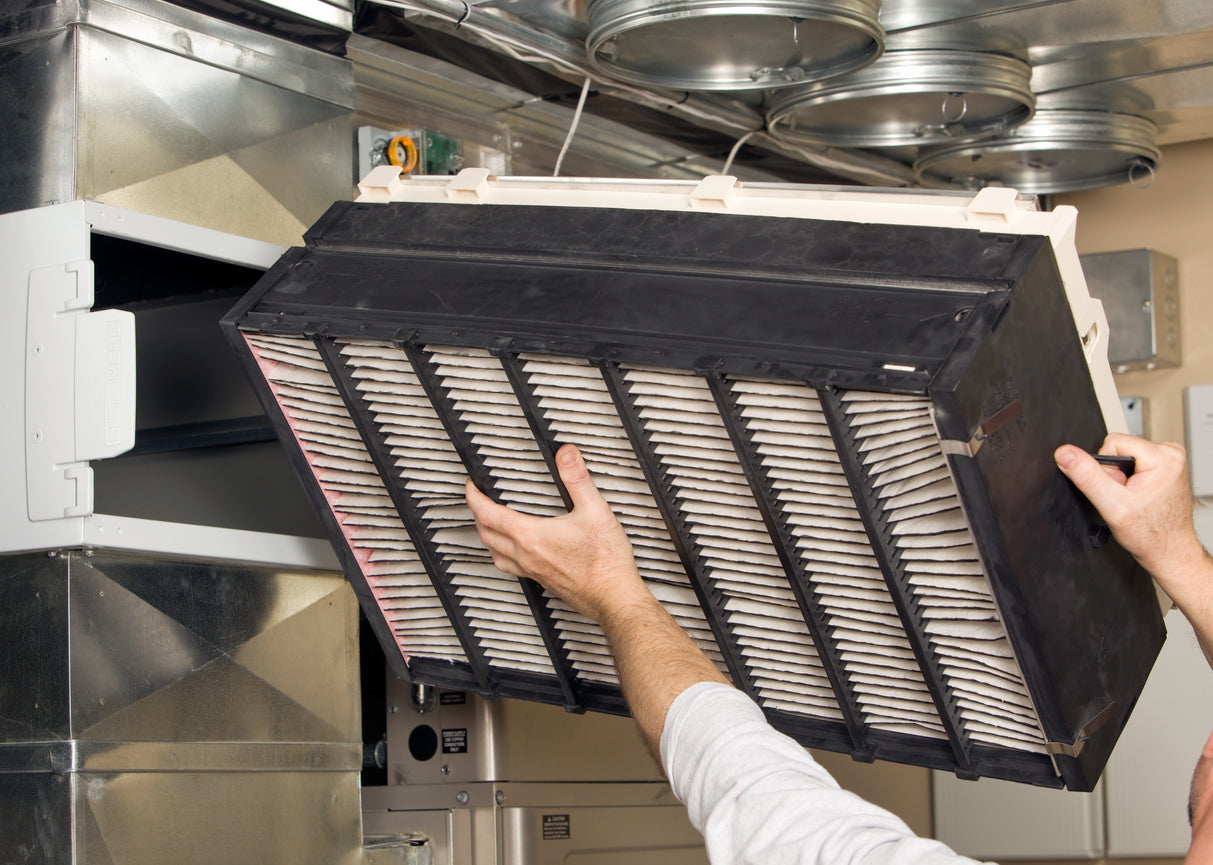
Professional HVAC contractors now offer sophisticated solutions that address indoor air contaminants at multiple levels. These advanced systems go far beyond the capabilities of the 1-inch filter in your furnace, targeting everything from microscopic particles to chemical gases and biological contaminants.
Whole-House Air Purification Systems
Whole-house air purifiers integrate directly with your existing HVAC system to clean all the air circulating through your home, rather than just treating air in a single room like portable units.
HEPA Filtration Systems
True HEPA (High-Efficiency Particulate Air) filtration systems can remove 99.97% of particles as small as 0.3 microns—including dust, pollen, pet dander, and many bacteria. Professional HVAC technicians can install bypass HEPA systems that work alongside your existing ductwork to provide hospital-grade air filtration throughout your home.
Electronic Air Cleaners
These systems use an electrical charge to trap particles on collection plates or filters. They're particularly effective at capturing ultra-fine particles that standard filters miss. Many modern electronic air cleaners require minimal maintenance with washable collection cells rather than replacement filters.
Activated Carbon Filtration
For homes with odor issues or chemical sensitivities, activated carbon filtration systems absorb gases, volatile organic compounds (VOCs), and odors that mechanical filters can't capture. These are often installed as a complementary system alongside particle filtration.
UV Light Treatment Solutions
Ultraviolet germicidal irradiation (UVGI) technology uses UV-C light to neutralize biological contaminants like mold, bacteria, and viruses.
Coil Sterilization Systems
Installed near your air handler's cooling coil, these UV lights prevent mold and bacteria growth on the coil surface and drain pan—common problem areas in HVAC systems. This improves system efficiency while reducing biological contaminants.
Air Sterilization Systems
More powerful UV array systems installed in the return air duct can treat moving air, neutralizing airborne pathogens as they pass through your ductwork. Professional HVAC technicians can determine the proper placement and sizing of these systems for maximum effectiveness.
Humidity Control Technologies
Maintaining optimal humidity levels (typically 40-60%) is critical for preventing mold growth and dust mite proliferation while enhancing comfort.
Whole-House Humidifiers
For dry climates or winter months, professionally installed whole-house humidifiers add moisture to your air. Modern options include steam humidifiers, which provide the most precise humidity control, and evaporative humidifiers that use less energy but provide less exact regulation.
Whole-House Dehumidifiers
In humid climates, dedicated whole-house dehumidification systems remove excess moisture independently of your air conditioning system. This allows for humidity control even when temperatures are comfortable and cooling isn't needed.
Advanced Ventilation Strategies
Modern, energy-efficient homes are built increasingly airtight, which can trap pollutants inside. Professional ventilation solutions bring in fresh air without sacrificing energy efficiency.
Heat Recovery Ventilators (HRVs)
HRVs exchange stale indoor air with fresh outdoor air while transferring heat from the outgoing stream to the incoming air, maintaining energy efficiency. These are ideal for colder climates where heating costs are a concern.
Energy Recovery Ventilators (ERVs)
ERVs function similarly to HRVs but also transfer humidity between airstreams, making them better suited to humid climates where maintaining indoor humidity levels is desired.
Balanced Ventilation Systems
These systems use separate fans and ductwork to supply and exhaust equal amounts of air, creating a balanced pressure environment that prevents unwanted air infiltration from attics, crawl spaces, or attached garages.
Smart Air Quality Monitoring
Advanced monitoring technology allows for real-time tracking and automatic system adjustments based on changing air quality conditions.
Multi-Parameter Monitoring
Professional-grade air quality monitoring systems can track particulate matter, VOCs, carbon dioxide, humidity, and even radon levels in some cases. These systems provide data to both homeowners and HVAC systems for automated responses.
Integrated Control Systems
Smart HVAC systems can now automatically adjust filtration, ventilation, and humidity control based on monitored conditions. Some systems even integrate with weather forecasts to predict and prepare for changing outdoor conditions.
Finding Qualified HVAC Professionals
Installing advanced IAQ systems requires specialized knowledge and expertise. To find qualified HVAC technicians in your area who specialize in indoor air quality solutions, visit BrightPath Contractor Directory. The right professional can assess your home's specific air quality challenges and recommend a customized approach.
When selecting an HVAC contractor for air quality improvements, look for those with specific IAQ certifications from organizations like NATE (North American Technician Excellence) or ACCA (Air Conditioning Contractors of America). Experienced technicians from BrightPath's network of HVAC professionals can provide comprehensive home assessments before recommending specific technologies.
Elevating Your Home's Air Quality
Professional indoor air quality solutions represent a significant upgrade from standard filtration. While these systems require initial investment, they deliver substantial benefits in health protection, comfort enhancement, and even potential energy savings through more efficient system operation.
A qualified HVAC technician can assess your home's specific needs and recommend the most appropriate combination of technologies. To find local HVAC contractors specializing in indoor air quality solutions, visit BrightPath's HVAC Directory to connect with experienced professionals in your area.
With the right combination of filtration, purification, ventilation, and humidity control—all professionally installed and maintained—you can create a home environment with truly healthy air.
More guides
- HVAC Zoning Systems: Professional Installation and Benefits for Your Home · HVAC
- Understanding HVAC Load Calculations: Why Professional Sizing Matters · HVAC
- Ductwork Inspection and Cleaning: What Professional HVAC Technicians Look For · HVAC
- Emergency HVAC Repair: What to Expect When You Call a Professional · HVAC